
C-Bus Repairs on the Sunshine Coast
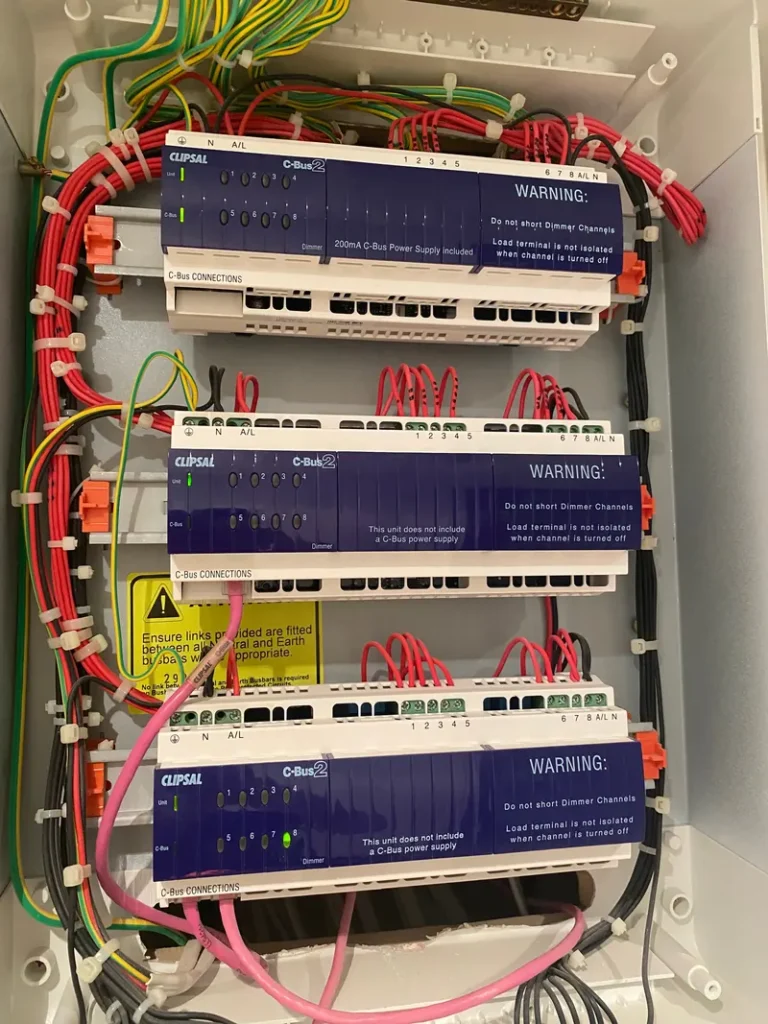
Diagnosis Before Repair
A C-Bus fault usually has one specific cause, and it isn’t always obvious from the symptom alone. Finding it means testing the system properly instead of swapping out individual parts and hoping one of them fixes it.
Intelligent Automation offers C-Bus repairs and fault finding for homes and businesses across the Sunshine Coast, Brisbane and Gympie. A C-Bus fault usually has one specific cause, whether that’s a wiring issue, a failing unit or a network communication problem, and finding it means testing the system properly rather than swapping parts until something works.
We carry a wide range of C-Bus replacement equipment, so many faults can be repaired the same day once diagnosed. Contact our team on 0428 068 582 to book a C-Bus repair.
Common C-Bus Symptoms
Certain symptoms tend to point to specific faults. Signs worth having checked include:
- Switches flashing or not responding to the first press
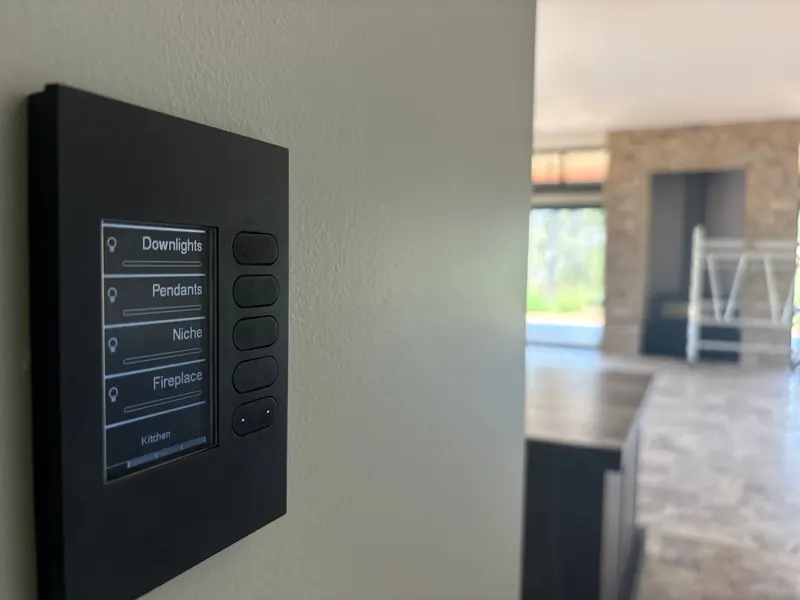
- Touchscreens running slow or freezing
- Lights turning on or off on their own, including overnight
- Lights that won’t turn off at the switch
- Whole sections of the house losing response
- Faults that clear after a restart but keep coming back
Any of these can point to a network, power supply or unit-level fault, and the exact cause is best confirmed with proper testing equipment rather than guessed from the symptom alone.
If Your System Stops Responding
If a C-Bus system stops responding and lights can’t be turned off at the switch, the affected circuit can be isolated at the circuit breaker. Many C-Bus installations also have manual override buttons on the relay or dimmer units inside the switchboard, which can operate the load directly. Turning the power off and on sometimes restarts the system temporarily, but if the fault returns the underlying cause still needs to be found and fixed rather than left to happen again.
Don’t Just Add Another Power Supply
A common response to a faulty C-Bus system is adding a second power supply, which can make symptoms improve short-term without fixing what’s actually wrong. The real fault is usually somewhere else. It could be:
- network voltage or current sitting outside range
- electrical noise on the network
- a slowly failing unit
- a wiring fault
- storm damage
- a network configuration issue
Diagnosing the actual cause avoids paying for unnecessary gear that was never the problem in the first place, and stops the same fault turning up again later.
Why C-Bus Repairs Are Still Worth It
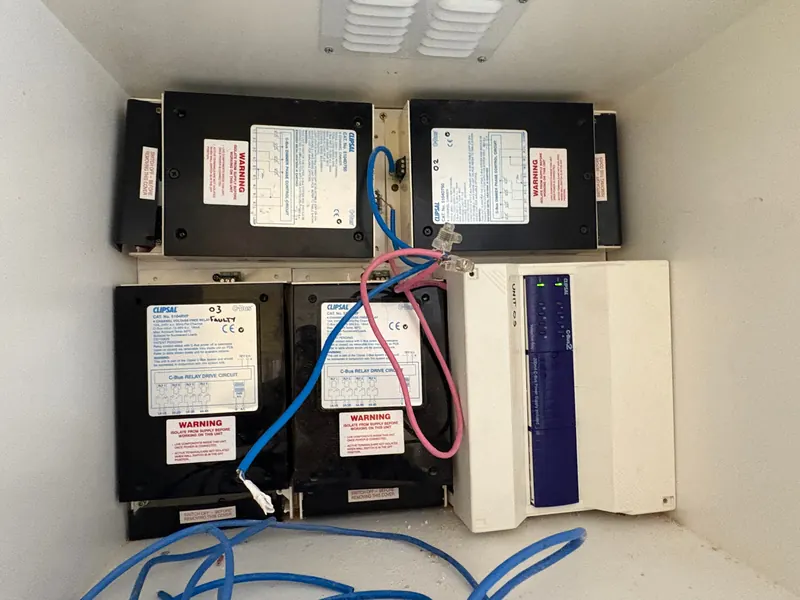
Some of the earliest C-Bus installations in Australian homes are now approaching 30 years old, and the platform is still being manufactured, updated and supported. That’s an unusual thing to be able to say about a home-automation system installed in the 90s. It changes the conversation people tend to have with themselves when something breaks, which is what most enquiries about C-Bus repairs on the Sunshine Coast turn out to be.
How Long C-Bus Systems Actually Last
The lifespan question comes up a lot, usually right after something’s stopped working the way it used to. The honest answer is that C-Bus, as a platform, doesn’t really have an expiry date in the way other technology does.
Homes fitted out with C-Bus in the late 90s and early 2000s are still operating today, often on the original wiring and infrastructure. What tends to fail over that time isn’t the underlying C-Bus network itself, but the individual components — a power supply, a relay unit, a dimmer — reaching the end of its own service life. That’s a component fault, not a system failure, and it’s completely repairable.
Schneider Electric, which now owns the C-Bus platform, continues to release updated hardware for it, including the current SpaceLogic C-Bus range. New units are designed to work alongside older C-Bus network components, which means a 20-year-old installation can have a single failed part replaced with new-generation hardware rather than needing the whole system rewired.
Why Some Automation Platforms Disappeared
It’s worth comparing C-Bus’s history to what happened with other home-automation systems released around the same time. Several platforms arrived with strong marketing and disappeared within a decade, either discontinued outright or left without ongoing parts and support.
Homeowners with those systems, once something failed, were often left with two options: source secondhand parts of uncertain condition, or replace the entire system at considerable cost. Neither option existed because the technology itself was flawed; it existed because the manufacturer stopped supporting it.
C-Bus has avoided that outcome so far, with strong support from the manufacturer and continued support for C-Bus home owners and C-Bus installers.
What "Worth Repairing" Actually Means
None of this means every C-Bus fault should automatically be repaired rather than replaced. It means the decision should be based on what’s actually wrong, rather than an assumption that an older system is inherently unreliable or reaching its limit.
A flashing switch, an unresponsive touchscreen or a section of the house losing power to its controls almost always traces back to something specific:
- power supply drawing outside its normal range
- unnecessary network noise
- wiring fault introduced during other electrical work
- configuration issue left over from a previous change
Each of those has a direct fix. Replacing the whole system doesn’t address any of them any more effectively than repairing the actual fault does, and it costs considerably more.
When Replacement Does Make Sense
There are situations where upgrading rather than repairing is the better call, usually when someone wants it to work differently than what the original installation was intended for, like full app-based control, integration with modern HVAC systems or expanded dimming and lighting scenes across a renovated space. That’s a different decision to a repair, and it’s driven by what the homeowner wants the system to do, not by the age of the existing hardware forcing the issue.
An old C-Bus system that’s still functioning correctly, and just doesn’t have modern features, is not the same problem as one that’s actually faulted.
Same-Day Repairs
If a C-Bus system is showing signs of a fault, the first step is diagnosing rather than assuming the worst. Network testing can usually identify whether the issue sits with a specific component, the wiring or the configuration, well before any decision needs to be made about replacement.
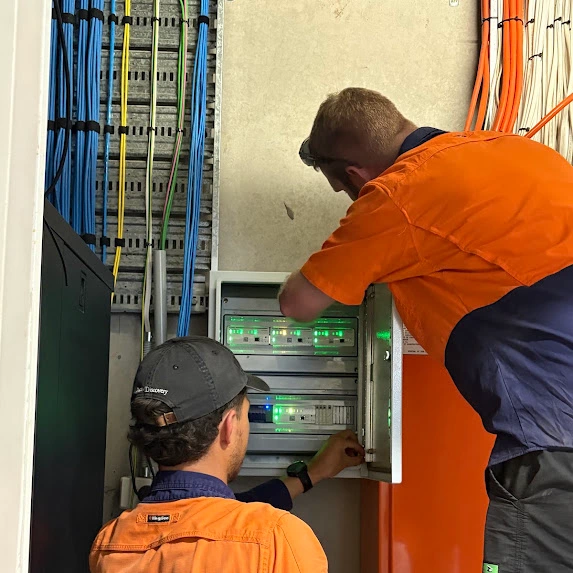
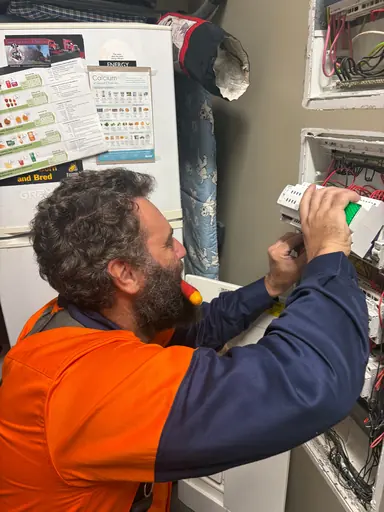
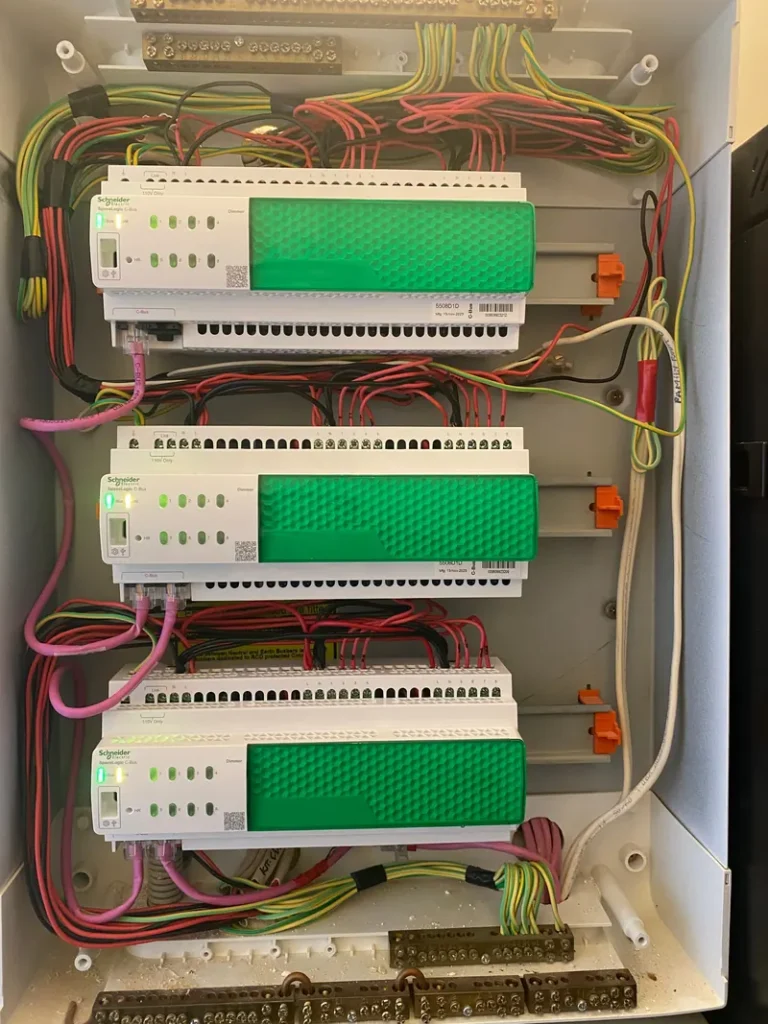
Once a fault’s diagnosed, most C-Bus repairs don’t need extensive replacement. We carry a wide range of C-Bus units and components, which means faulty parts can often be swapped out on the spot rather than waiting on an order.
Repairs are approached from an electrical engineering basis, so unusual or intermittent faults get properly traced rather than addressed with a temporary fix. This covers repair, replacement, reprogramming and recommissioning of the affected part of the system.
What A Repair Involves
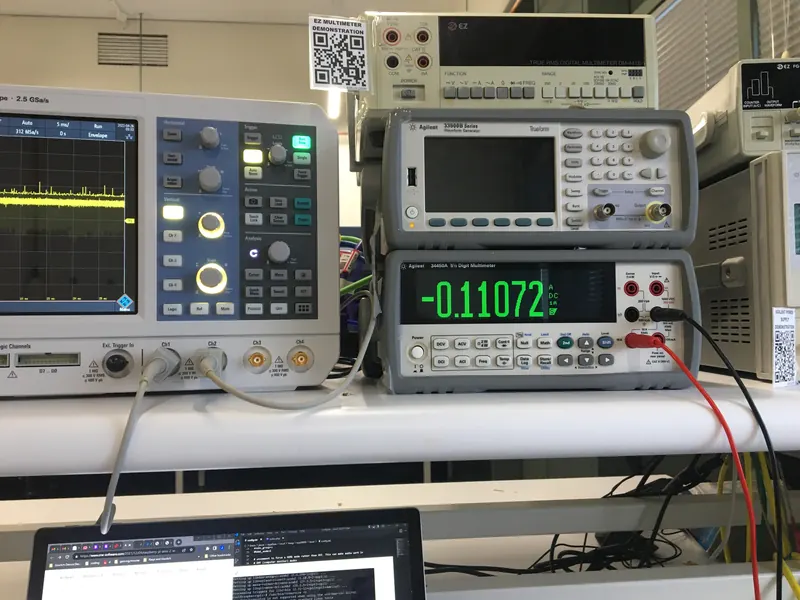
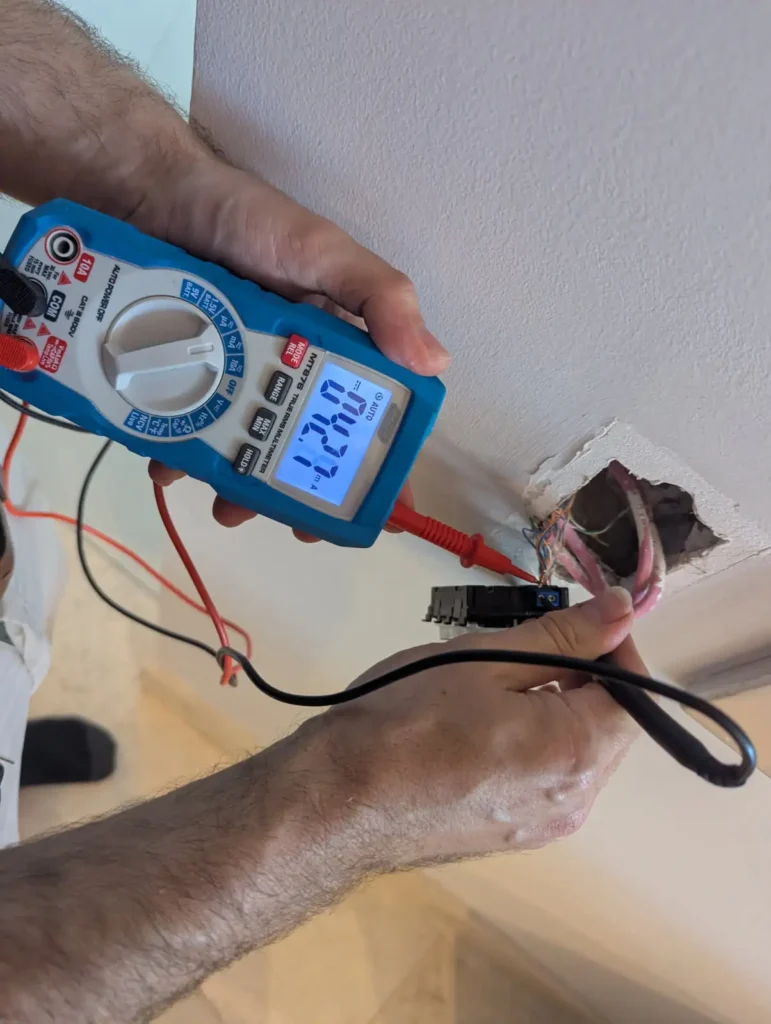
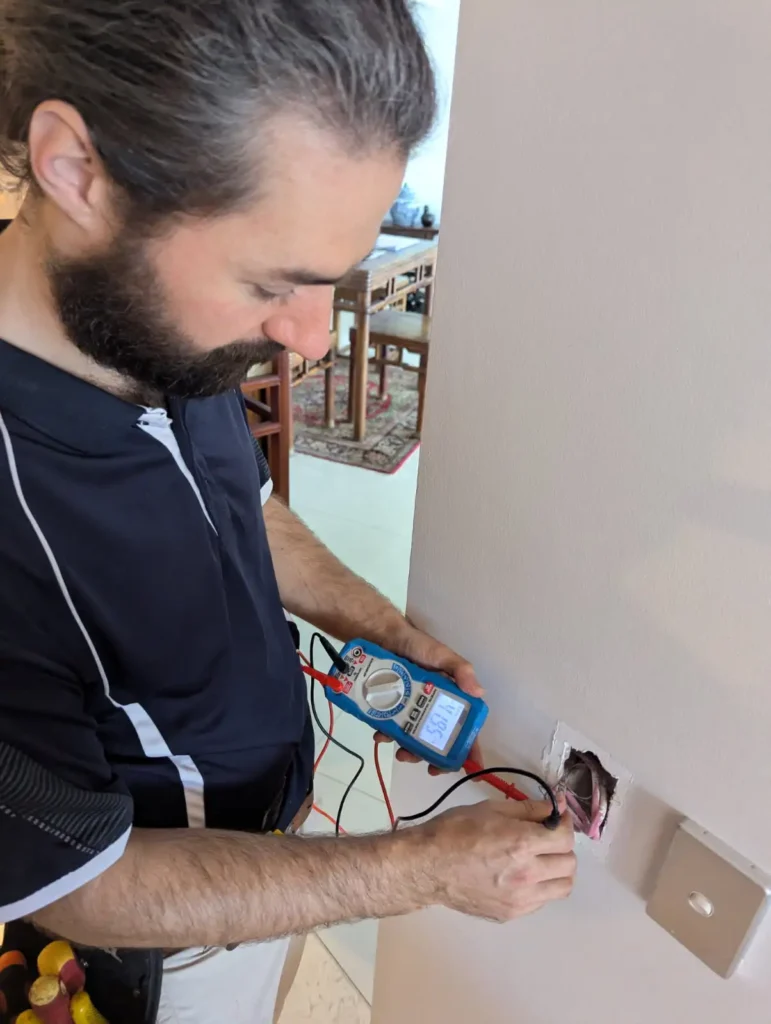
A C-Bus repair typically starts with network-level testing: checking voltage, current and communication across the system to isolate where the fault sits before anything is opened up or replaced.
From there, the affected unit, wiring or configuration is addressed directly. This is different to a general electrical callout, since C-Bus faults often involve programming and network behaviour as well as the physical hardware, so testing equipment and C-Bus-specific experience make the difference between a proper fix and a temporary one.
Getting Started
In most cases, once the actual cause is found, C-Bus repairs on the Sunshine Coast come down to fixing or replacing one part of the system, not starting again from scratch. Intelligent Automation carries out this kind of diagnosis and repair work directly, and can advise honestly on whether a repair or an upgrade is the right call for a given system — just reach out today to learn more.
C-Bus Maintenance & System Health Checks
C-Bus systems can operate reliably for decades, but individual power supplies, relays, dimmers and other components can deteriorate over time.
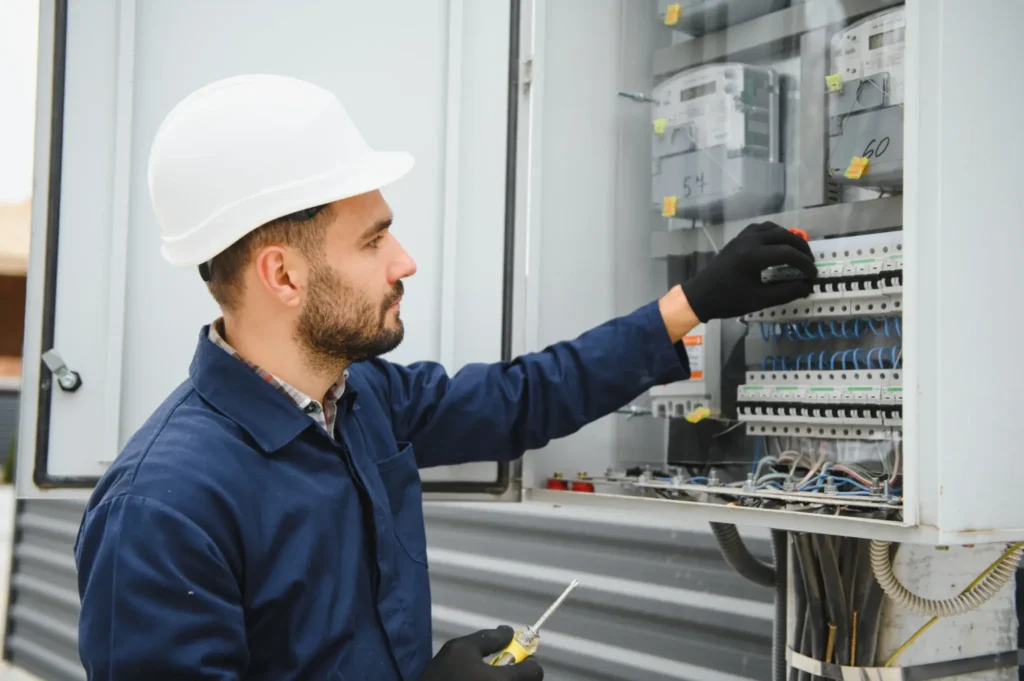
A C-Bus system health check looks at the condition of the network before an intermittent problem becomes a larger fault. We can test network voltage and current, communication quality, electrical noise and power-supply performance, as well as check for ageing units, wiring issues and configuration problems that may be affecting reliability.
This is particularly useful for older installations, properties with recurring or unexplained faults, or systems that have been altered during renovations and other electrical work. Where issues are found, we can identify which parts actually need attention and recommend maintenance, repair or replacement without unnecessarily changing equipment that is still operating correctly.
C-Bus FAQ
Why do C-Bus switches flash?
A flashing C-Bus switch usually indicates a communication fault between that switch and the rest of the network, rather than a fault with the switch itself. This can be caused by network voltage or current issues, a failing power supply or interference on the C-Bus network.
The switch is flashing to communicate it isn’t receiving the expected signal, which is why testing the network is the starting point rather than replacing the switch.
Can old C-Bus systems still be repaired?
Yes. C-Bus is still manufactured and supported by Schneider Electric, including systems installed decades ago, and replacement parts remain available for most older hardware.
An ageing C-Bus system showing faults doesn’t necessarily need to be replaced outright, since many issues come down to a specific failing component, wiring fault or network problem that can be diagnosed and repaired without removing the existing system.
Is C-Bus obsolete or discontinued?
Not at all, C-Bus remains an actively supported home and building automation platform, with Schneider Electric continuing to release updated hardware such as the SpaceLogic C-Bus range.
Some competing automation platforms from the same era have been discontinued, which left those systems without an ongoing repair or upgrade path. C-Bus installations, including older ones, generally still have access to replacement parts and technical support.