
Smart Home Insurance Reports on the Sunshine Coast
Report, Quote, Rectify
Storms, lightning and power surges are a leading cause of unexplained faults in smart home systems across the Sunshine Coast. These faults aren’t always visible straight away, and a proper insurance report needs the right diagnostic equipment behind it rather than a visual check alone.
Intelligent Automation provides smart home insurance reports for C-Bus and home automation systems across the Sunshine Coast. Damage to a smart home system isn’t always visible, and an evidence based insurance report will locate devices without obvious symptoms.
Storm activity and power surges can affect the wiring and connected devices throughout your property, sometimes without any obvious symptoms at the time. We work directly with insurers and loss assessors, and handle the process from initial assessment through to quote and rectification, so you’re dealing with just one point of contact rather than several different trades. Get in touch with us on 0428 068 582 to arrange a report.
Finding Hidden Damage
A C-Bus unit or control module can be affected by a surge and keep working for weeks or months before it fails completely. That delay makes storm and lightning damage difficult to claim on without proper testing. So by the time a fault shows up, it’s hard to tie it back to the original event.
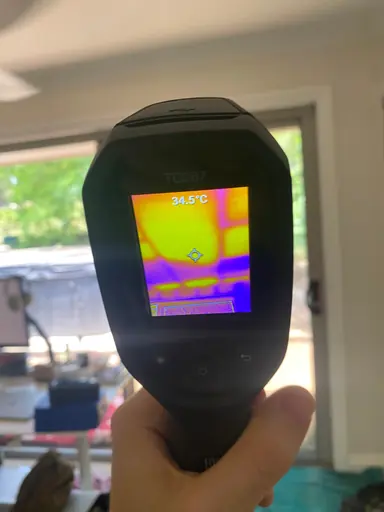
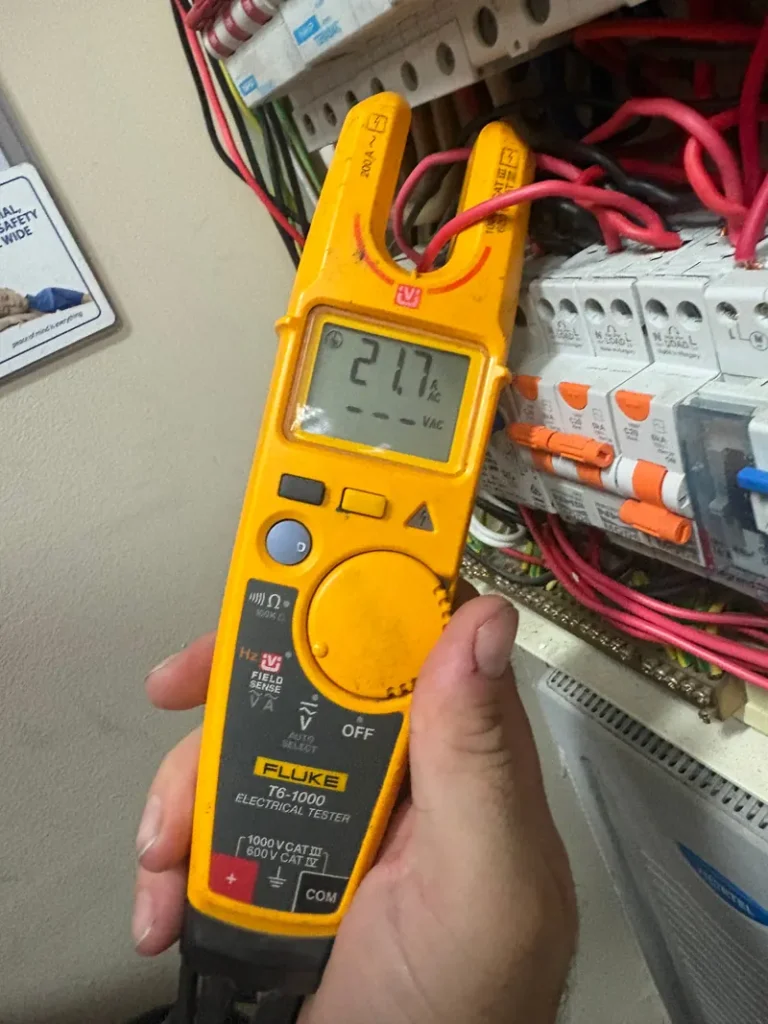
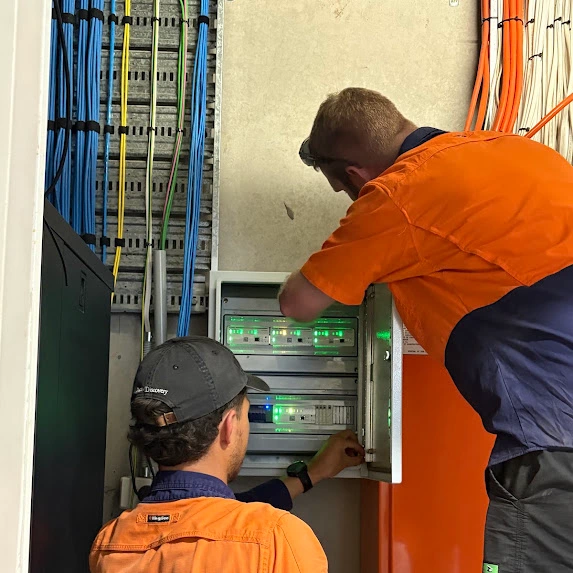
We use diagnostic equipment to measure network voltage, current and signal quality across your entire system, picking up any degraded components before they reach failure point.
Systems We Can Assess
Our team offers insurance reports across a wide range of lighting and home-automation systems, including:
- Clipsal C-Bus and Schneider Electric SpaceLogic C-Bus
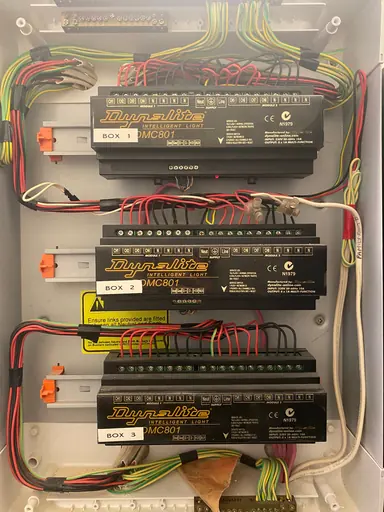
- KNX and Philips Dynalite
- Lutron and Control4
- HPM iControl and Legrand SCS
- CCTV, security and intercom systems
- Home networking, data cabling and server racks
If your system isn’t listed here, give us a call to check. Intelligent Automation works across most home-automation platforms found in Sunshine Coast homes.
What Insurers Need To See
Our reports set out which components were tested, what the results showed and why a component is assessed as damaged or degraded. It’s backed by measured test results, not a general description of the storm itself. We’ve dealt directly with insurance companies on C-Bus and smart home claims for years, and structure reports to the level of technical detail insurers typically require to process a claim.
After The Report
A quote follows once the report’s done, covering repair or replacement of whatever’s affected. If the original equipment’s no longer available, we source a compatible upgrade instead of leaving the system short a part. Over 15 years working on smart home and automation systems means the job doesn’t stop at diagnosis; we carry it through to rectification, so there’s no second contractor to bring in partway through.
Reducing Future Surge Risk
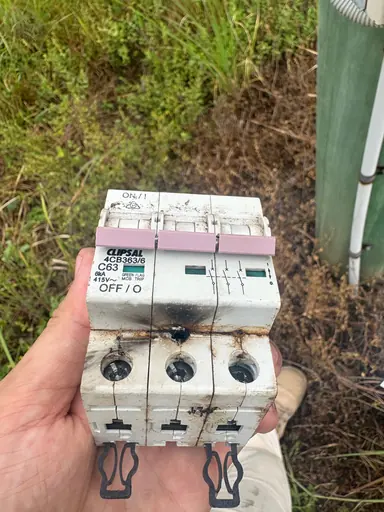
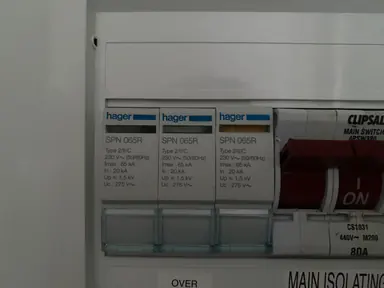
Our storm damage reports can estimate where a surge entered the system and which pathway let it through. It could be the switchboard or the network cabling, sometimes even a specific device. We use the report to check the vulnerabilities and existing surge protection of your home or business against what actually happened, since surge protection sized to the property performs differently to a generic setup..
Our surge protection is sized to the specific home and its equipment, which cuts the risk of the same fault happening again next storm season.
C-Bus FAQ
Can lightning damage a C-Bus or smart home system without visible signs?
Yes. Lightning and power surges can degrade electronic components internally without causing any obvious external damage. A unit affected this way may keep working for a period before failing, or develop intermittent faults that are hard to trace back to the original event. This is why a smart home insurance report after a lightning strike typically involves testing equipment rather than a visual check alone.
What information do insurers need for a smart home damage claim?
Insurers generally need documentation explaining what components were affected, how the damage likely occurred, and why repair or replacement is required. For smart home and automation systems, this can include diagnostic test results, given that damage isn’t always visible without specialised equipment.
Insurance assessments that link the described cause to specific damaged components tend to support a claim more effectively than a general description of storm activity.
How does a power surge damage electrical equipment?
A power surge sends a sudden spike in voltage through wiring and connected devices, which can overload and damage sensitive electronic components even when the surge is brief. A surge entering at one point can travel through connected devices and cause damage in multiple locations. This is why equipment connected to a shared electrical or data network, such as home automation and lighting-control systems, can be particularly vulnerable.